A Guide to French Campsites That Call Themselves Adults-Only
France's adult-only campsites split into two worlds: age-restricted quiet sites and clothing-optional naturist villages. Here is how to tell them apart before booking.

Adults Only Does Not Mean Nudist in France
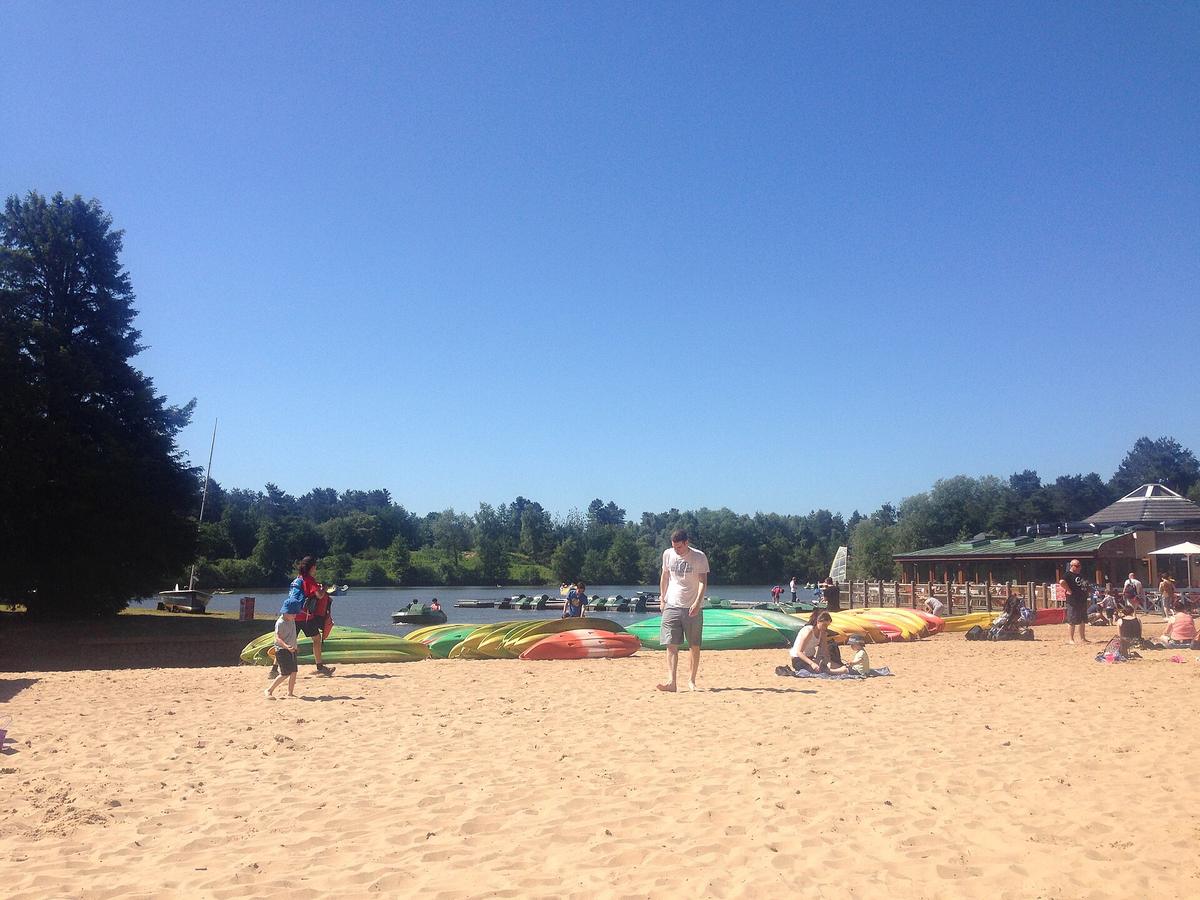
When a French campsite calls itself "adults only," most English-speaking travellers assume it bans children. That is correct roughly half the time. The other half means something else entirely: the site is a naturist campground where clothing is optional, and it does admit families, often with kids of any age. The word "adult" refers to your dress code, not your parenting status. France has the largest adults-only campsite market in Europe. The confusion between age-based and clothing-based policies is the single most common reservation mistake in this category.
Two Meanings, One Label
No French tourism law defines "adults only." The label is a marketing term. It means either a minimum-age policy (guests must be 16 or 18, children are banned) or a naturist policy (clothing is optional, families are welcome). A naturist site that labels itself "adult" is telling you that nudity is the norm, not that you will escape the sound of other people's kids. The two meanings overlap only in the word itself.
Typical Minimum Ages
The standard minimum age on French adults-only campsites is 18. Sixteen is common at naturist sites, partly because the clientele skews younger and partly because families with teenagers are a core market for those parks. A site quoting age 16 is almost certainly a naturist campground, not a child-free retreat. If the minimum is 18, check the second question: is that 18 years old, or 18 years old and an adult-accompanied rule? Some sites require all guests to be 18 and travelling with another adult, which blocks solo 18-year-olds.
Where To Find Them
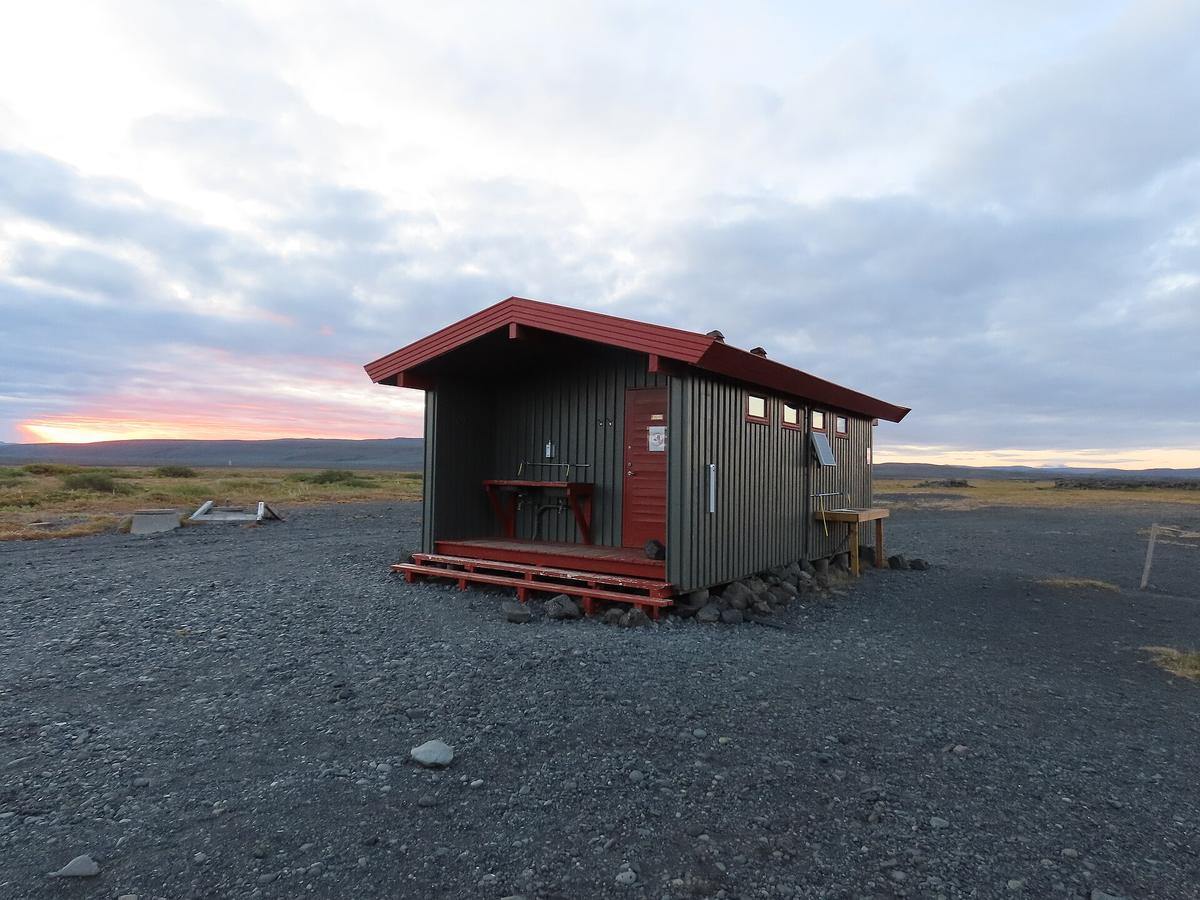
The primary regions for adults-only campsites in France are the Dordogne, Ardèche, Languedoc, Provence and the Atlantic coast. Most are small independent sites or dedicated adults-only sections within larger holiday parks. The stock is heavily weighted to touring pitches (bare ground for tents, caravans and motorhomes) with small clusters of mobile homes. Large lodge developments are rare. Municipal campsites and aires de service seldom post any age policy at all, so assume they admit children.
The Seasonal Lapse That Catches Everyone
A subset of French campsites enforces the adults-only rule only outside French school holidays. During term time the site is child-free. The moment the holidays start, the same site admits families, sometimes with no age cap at all. The policy is buried in the terms, not on the homepage.
French school holidays run on a three-zone system (A, B, C) with rotating calendars published by the Ministère de l'Éducation nationale. Zone A covers academies including Bordeaux and Lyon. Zone B covers Aix-Marseille, Nice and Strasbourg. Zone C covers Paris, Montpellier and Toulouse. If your dates fall inside any zone's holiday period, a seasonal-lapse site will open to children. The only way to be sure is to check the operator's terms for the phrase "hors vacances scolaires" (outside school holidays). If you see it, your child-free trip depends on the French academic calendar.
The Five Questions Before You Pay
Ask the operator these five things before you hand over a deposit. First, is the site adults only year-round or only outside French school holidays? Second, is the minimum age 18, or is it higher? (Some sites set 21 or 25 for the mobile home section.) Third, are children permitted in any part of the site, including the pool, restaurant or entertainment areas? A site that bans kids from pitches but allows them in the pool is not truly child-free. Fourth, is the site adults only or couples only? Couples-only policies ban solo travellers and sometimes groups of a single gender. Fifth, is naturism required anywhere on site? If the answer to question five is yes, you are booking a naturist campground, not a child-free one.
| Category | Rule | Admits Children |
|---|---|---|
| Adults Only (Age Rule) | Minimum age for all guests, usually 18 or 16 | No, children are banned |
| Naturist / Clothing Optional | Clothing is optional; nudity is the norm | Yes, families are welcome |
| Seasonal Lapse Site | Adults only outside French school holidays, open to families during them | Yes, during school holidays |

What the Booking Conditions Actually Say
French campsite terms use specific clauses that tell you which type of site you are booking. Look for the word "mineur" (minor). If the terms say "l'accès au camping est interdit aux mineurs" (access to the campsite is forbidden to minors), you have a genuine child-free site with an age rule. If they say "la pratique du naturisme est obligatoire sur l'ensemble du site" (naturism is compulsory throughout the site), you have a clothing rule, not an age rule, and children are probably allowed. The clause that causes the most trouble is "le camping est réservé aux adultes hors vacances scolaires" (the campsite is reserved for adults outside school holidays). That is the seasonal-lapse policy. Book that site for a July or August arrival and you will find families on neighbouring pitches.
How The Policy Affects Pricing
Adults-only campsites in France command a premium over the equivalent family site. The premium usually runs 15 to 30 percent for a touring pitch and slightly less for a mobile home, because the mobile home market already competes with gîtes and holiday rentals. No single authoritative registry of adults-only campsites exists in France. The stock is fragmented across independent owners, small groups, and sections within multi-site operators. You cannot search a central database. Check each operator's website individually.
When the Site is Not What You Thought
The most common failure case is booking what you believe is a child-free naturist site. You arrive, undress at the pool, and find yourself surrounded by kids. The site was truthful: it is naturist, and it admits families. The confusion was yours for assuming "adult" meant "no children." The second most common failure case is booking a seasonal-lapse site for July. You checked the site name, saw "adults only," and did not read the terms. You arrive in peak season and the pool is full of teenagers. Your options at that point are to accept the situation or try to cancel. You are unlikely to get a refund after check-in.
The single thing that goes wrong most often on this topic is the assumption that the French travel industry regulates the term "adults only." It does not. No tourism board classification, no star rating, no legal definition. The only binding document is the operator's terms. Read them before you pay. If the terms are not clear in English, call the site and ask the five questions listed above. A three-minute phone call costs less than a ruined holiday.
Who This Subject Suits and Who it Does Not
French adults-only campsites suit couples seeking guaranteed quiet on a touring holiday. They suit solo travellers who want to avoid the social pressure of family-oriented campgrounds and naturists who prefer clothing-optional sites that label themselves clearly. They do not suit anyone who wants a resort experience with evening animation, restaurants and organised activities. Those are rare in the adults-only campsite segment. They do not suit travellers who need large, modern mobile homes with full kitchens and air conditioning. The adults-only mobile home stock is older and smaller than the family-park equivalent. They do not suit the budget traveller who books the cheapest available pitch without reading the terms. A child-free site at the wrong season costs more, not less.
Read next
-
 Turkey's Adults-Only Resort Labels and What They Actually Guarantee
Turkey's adults-only resort labels carry no legal weight. Learn how to read the real policy behind the marketing copy before booking in Bodrum or Antalya.
Turkey's Adults-Only Resort Labels and What They Actually Guarantee
Turkey's adults-only resort labels carry no legal weight. Learn how to read the real policy behind the marketing copy before booking in Bodrum or Antalya.
-
 What Adults-Only Actually Means Four Labels That Are Not the Same Thing
Adults-only is not one thing. It means a minimum age, a party rule, a clothing rule, or a marketing promise of quiet. Here is how to tell which one applies before you book.
What Adults-Only Actually Means Four Labels That Are Not the Same Thing
Adults-only is not one thing. It means a minimum age, a party rule, a clothing rule, or a marketing promise of quiet. Here is how to tell which one applies before you book.
-
 Travelling Without Your Children: What Adults-Only Means for Parents
Adults-only is for parents who want a quiet break without any children on site, including their own. Here is how the policy works and why it delivers exactly that.
Travelling Without Your Children: What Adults-Only Means for Parents
Adults-only is for parents who want a quiet break without any children on site, including their own. Here is how the policy works and why it delivers exactly that.
- Why a Quiet Hotel Is Not the Same as an Adults-Only Hotel A quiet hotel promises atmosphere, not a child-free stay. The difference between marketing and policy is one of the most common booking mistakes. Here is how to tell them apart.