Adults-Only Stays in Africa: Safari Lodges, Islands and Morocco
From Maldivian one-island resorts to South African safari lodges, Africa and the Indian Ocean offer distinct adults-only models. Here is what the label means in each region.
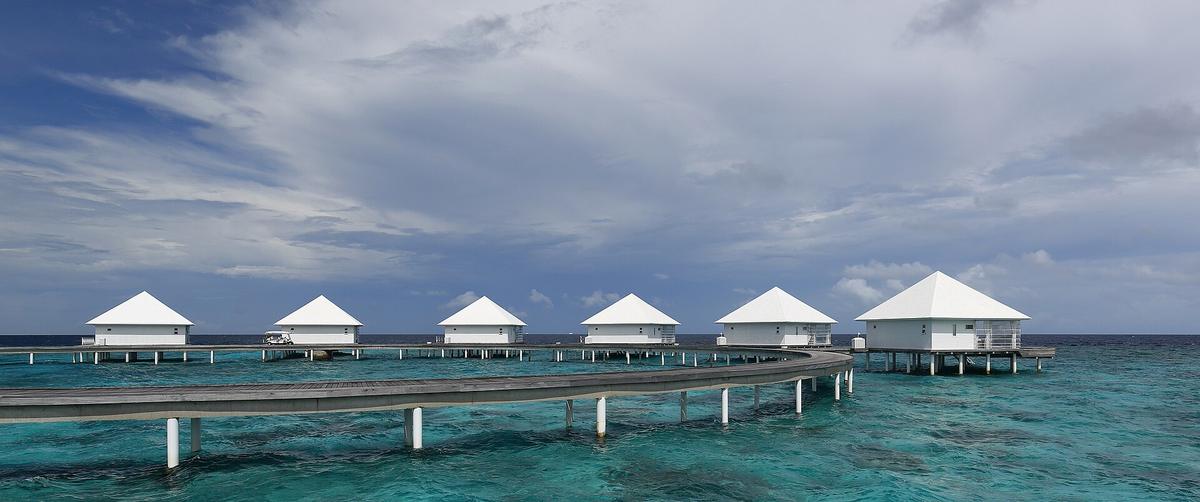

Where the ‘No Children’ Rule Actually Means Something in Africa and the Indian Ocean
Three Policies, One Search Term
You searched for an adults-only hotel in Africa or the Indian Ocean. The term covers three very different things: a Maldivian island where you cannot physically reach a child, a safari lodge where the age limit is a safety rule written into the concession lease, and a Moroccan riad where the phrase is a quiet-atmosphere promise with no binding age clause. The policy that matters is the one in the terms and conditions, not the marketing label. This page separates the three models, names the normal age bands for each, and tells you where the rule is enforceable and where it is just a suggestion.
The Indian Ocean Model: One Island, One Guarantee
How the Rule Works
In the Maldives, Seychelles and Mauritius, the adults-only product is structural. You pay for a resort on its own island or a managed estate where the pool, the restaurant and the beach belong to that one property. The age policy is year-round and does not lapse in school holidays. The lower age limit sits at 12 to 16 years across most resorts. Some Maldivian properties set it at 18. No recognised tourism board classification for adults-only exists in any of these three countries, so the rule lives in the fine print of each hotel.
What You Pay For
The premium over a comparable family resort runs 15 to 30 percent. You pay that for the guarantee that the neighbouring sun lounger is not occupied by someone under the age limit. That guarantee holds during the Mauritian school holiday in April and the Maldivian high season alike.
The Common Failure
Failure case: you book what looks like an adults-only resort and find at check-in that the property runs an adults-only wing, not a whole-property rule. The binding clause is in the terms. Read the section headed 'Child Policy' before you confirm, not after.
The Safari Model: an Age Limit, Not a Marketing Decision
Safety Rules, Not Lifestyle Choices
Safari lodges in South Africa, Botswana, Tanzania, Kenya, Namibia and Zambia do not call themselves adults-only. They set a lower age limit for game drives and walking safaris. That limit is a safety rule. The typical bands are 6 to 12 years for game drives in South Africa, Tanzania and Kenya, and 12 to 16 years for walking safaris in Botswana and Zambia. The age limit applies to the activity. In many lodges it also applies to the full stay because children below the threshold cannot be supervised during a drive that leaves camp before dawn and returns after dusk. The operator sets the age. The reserve concession holder may impose a stricter rule.
Cost and Seasonality
The premium over a lodge without age restrictions is 10 to 25 percent. The rule is year-round and does not drop during South African school holidays in July or the Kenyan December break.
No Workarounds
Failure case: you book a lodge with a 6-year limit and arrive with a 5-year-old, expecting a workaround. There is no workaround. The guide cannot legally take the child on a vehicle that crosses a concession boundary with a minimum-age clause. Check the operator's terms for the specific lodge, not the general brand policy. &Beyond, Singita, Sabi Sabi, Wilderness Safaris, Asilia Africa, Elewana Collection and uPhone Tanzania all publish individual lodge minimum ages in their terms.
The Moroccan Model: Quiet Atmosphere, Unverified Age Rule
A Promise, Not a Policy
Moroccan riads in Marrakech, Fez and Essaouira market adults-only as a promise of quiet in a building with 5 to 12 rooms and a courtyard pool where noise carries through every tile. The lower age band is 12 to 16 years, but the rule is rarely enforced at check-in and never audited by the Moroccan Ministry of Tourism, which has no adults-only classification. You book a riad that says adults-only, you arrive and find a well-behaved 14-year-old at breakfast.
What the Fine Print Reveals
The premium over a family-accepting riad is 5 to 15 percent. The policy is year-round and does not lapse during the Moroccan mid-June to early-September holidays. Failure case: the riad owner might waive the age limit if the reservation is direct and the property is empty. The binding clause is in the terms on the riad's own website. If the page says 'quiet atmosphere' but does not state a minimum age in the terms, you have a promise, not a policy. Book only the riads that state the age in the cancellation and child-policy section.
The Egypt and Tunisia Model: Resort Wings and Dedicated Properties
Two Formats, One Region
Red Sea resorts in Hurghada, Marsa Alam and Sharm el Sheikh, and Mediterranean resorts in Hammamet, Sousse and Djerba, offer two formats: a whole-property adults-only rule or a designated adults-only wing. The lower age band is 16 to 18 years. Operators such as the Jaz Hotel Group in Egypt and Rixos Hotels in Egypt and Tunisia run dedicated adults-only properties and adults-only wings. The premium over a comparable family resort is 10 to 20 percent. The rule is year-round and does not drop during the Egyptian mid-June to mid-September school holidays.
Check the Separation
Failure case: the wing model means the shared beach, the buffet restaurant and the evening entertainment area may be common to the family side of the same resort. Check the terms for the phrase 'exclusive use' to confirm the adults-only zone is physically separated. The Egyptian Hotel Association and the Tunisian ONTT do not classify adults-only status, so the operator's own terms are the only binding document.
Season and School Holiday Patterns That Affect Your Book
When the Regions Peak
High season for Indian Ocean islands runs December to April for the Maldives, November to April for Mauritius, and December to January plus July to August for the Seychelles. Safari areas in Southern and Eastern Africa peak June to October, the dry winter when animal concentrations are highest. Morocco peaks March to May and September to November. Egypt peaks October to April. Tunisia peaks June to September.
School Holiday Calendars
School holidays in South Africa fall mid-December to mid-January, late March to early April, late June to mid-July and late September to early October. Mauritius schools close mid-December to mid-January, April, August and November. Kenya and Tanzania close in December, April and August. Morocco closes mid-June to early September plus two weeks in December and April. Egypt closes mid-June to mid-September plus two weeks in late January to early February. Tunisia closes July and August plus two weeks in December and March.
What the Calendars Change
Because Indian Ocean resorts, safari minimum ages, Morocco riads and Egypt and Tunisia adults-only wings operate year-round policies, the school holiday calendar does not change the age rule. What changes is availability and price. Book four to six months ahead for December and January in the Maldives. Book ten to twelve months ahead for June and July in Botswana.
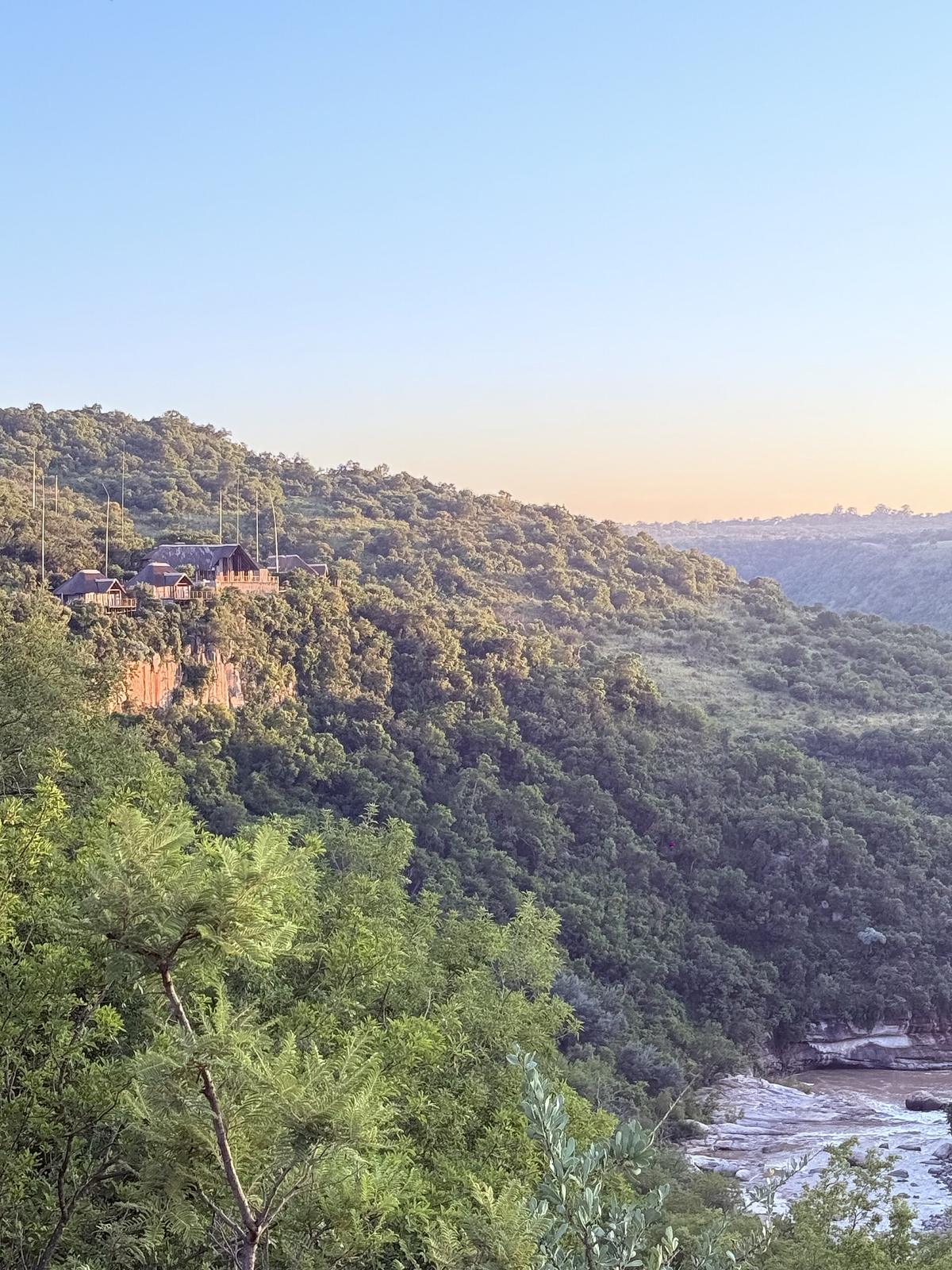

What ‘Adults Only’ Does Not Mean in These Regions
It does not mean couples-only. The Indian Ocean has a separate category of dedicated couples-only resorts, distinct from adults-only. It does not mean naturist. Naturist resorts exist in Mauritius and South Africa, kept separate from adults-only properties. It does not mean small. Egyptian and Tunisian adults-only properties can be large all-inclusive resorts with hundreds of rooms. It does not mean the whole island is child-free in the Maldives. You share the island transfer boat and the arrival jetty with guests from other resorts. The child-free zone is the resort boundary. Leave the pool gate and you are on a shared beach in some Seychelles and Mauritian properties. The terms tell you whether the beach is exclusive or shared. Read that line.
The Single Thing That Most Often Goes Wrong
You assume adults-only means 18-plus across all these regions. It does not. The most common lower age is 12 to 16. In safari lodges it can be 6. In Morocco it can be unenforced. The binding figure is in the operator's terms. Book a resort that markets itself as adults-only, skip the fine print, arrive with a 16-year-old, and you may find the age limit in the terms is 18. The resort is within its rights to refuse check-in or move you to a standard room. Read the child policy before you pay the deposit. That is the single action that prevents the failure.
Common Questions
What is the minimum age at Maldivian adults-only resorts?
The normal band is 12 to 16 years. Some resorts set the limit at 18. There is no standard across the country. The binding minimum is in the resort's terms, not on the marketing page.
Can I take a 10-year-old to a South African safari lodge that says 'adults only' in its name?
No, but the lodge probably never uses that phrase. Safari lodges set a minimum age for game drives, usually 6 to 12 years. The rule is about safety on the vehicle, not marketing. Check the lodge's own terms for the exact number.
Is the adults-only rule in a Moroccan riad enforceable?
It depends on the terms. Many riads state a minimum age of 12 to 16 but do not enforce it at check-in. The Moroccan tourism board does not classify or audit adults-only status. Book only riads that state the age limit in the terms.
Do adults-only resorts in Egypt and Tunisia keep the rule during school holidays?
Yes. The policy is year-round and does not lapse during the Egyptian mid-June to mid-September break or the Tunisian July to August closure. Check whether the property is a whole-property adults-only rule or an adults-only wing within a family resort.
Read next
-
 Turkey's Adults-Only Resort Labels and What They Actually Guarantee
Turkey's adults-only resort labels carry no legal weight. Learn how to read the real policy behind the marketing copy before booking in Bodrum or Antalya.
Turkey's Adults-Only Resort Labels and What They Actually Guarantee
Turkey's adults-only resort labels carry no legal weight. Learn how to read the real policy behind the marketing copy before booking in Bodrum or Antalya.
-
 What Adults-Only Actually Means Four Labels That Are Not the Same Thing
Adults-only is not one thing. It means a minimum age, a party rule, a clothing rule, or a marketing promise of quiet. Here is how to tell which one applies before you book.
What Adults-Only Actually Means Four Labels That Are Not the Same Thing
Adults-only is not one thing. It means a minimum age, a party rule, a clothing rule, or a marketing promise of quiet. Here is how to tell which one applies before you book.
-
 Travelling Without Your Children: What Adults-Only Means for Parents
Adults-only is for parents who want a quiet break without any children on site, including their own. Here is how the policy works and why it delivers exactly that.
Travelling Without Your Children: What Adults-Only Means for Parents
Adults-only is for parents who want a quiet break without any children on site, including their own. Here is how the policy works and why it delivers exactly that.
- Why a Quiet Hotel Is Not the Same as an Adults-Only Hotel A quiet hotel promises atmosphere, not a child-free stay. The difference between marketing and policy is one of the most common booking mistakes. Here is how to tell them apart.