When a Resort Is Both All-Inclusive and Adults-Only
All-inclusive plus adults-only is a popular pairing, but the two labels work independently. Learn which one has more exceptions and how to verify both before you book.


When a Resort is Both All-Inclusive and Adults-Only
The most common mistake travellers make is assuming all-inclusive and adults-only is a combined product. It is not. The two labels operate independently. The all-inclusive part governs what you consume. The adults-only part governs who else is there. Adults-only means you will not share the pool with toddlers. All-inclusive means you will not open your wallet for a beer. That distinction matters when you book because exceptions are buried in the small print and one of these two labels has a far higher chance of being bent than the other.
The adults-only label is the weaker guarantee. No national tourism board in Mexico, the Dominican Republic, Turkey, the Maldives, Spain, Greece or Italy classifies adults-only as a legally protected category. Properties in all these markets self-declare. In Spain a hotel calling itself adults-only may admit 16-year-olds if its booking terms say 16+. In boutique hotels in Barcelona and the Costa del Sol the minimum age drops to 14. In the Canary Islands the dominant minimum age for the adults-only all-inclusive segment is 16 to 18. You need the fine print, not the marketing name. The all-inclusive side is far more reliable. If the booking says unlimited drinks and buffet meals included, that holds. The exceptions lie in the alcohol list's upper shelves and the small print of what counts as a named brand versus house pour, but the fundamental promise has teeth. Adults-only does not.
What the Two Labels Change on the Ground
Pool And Deck
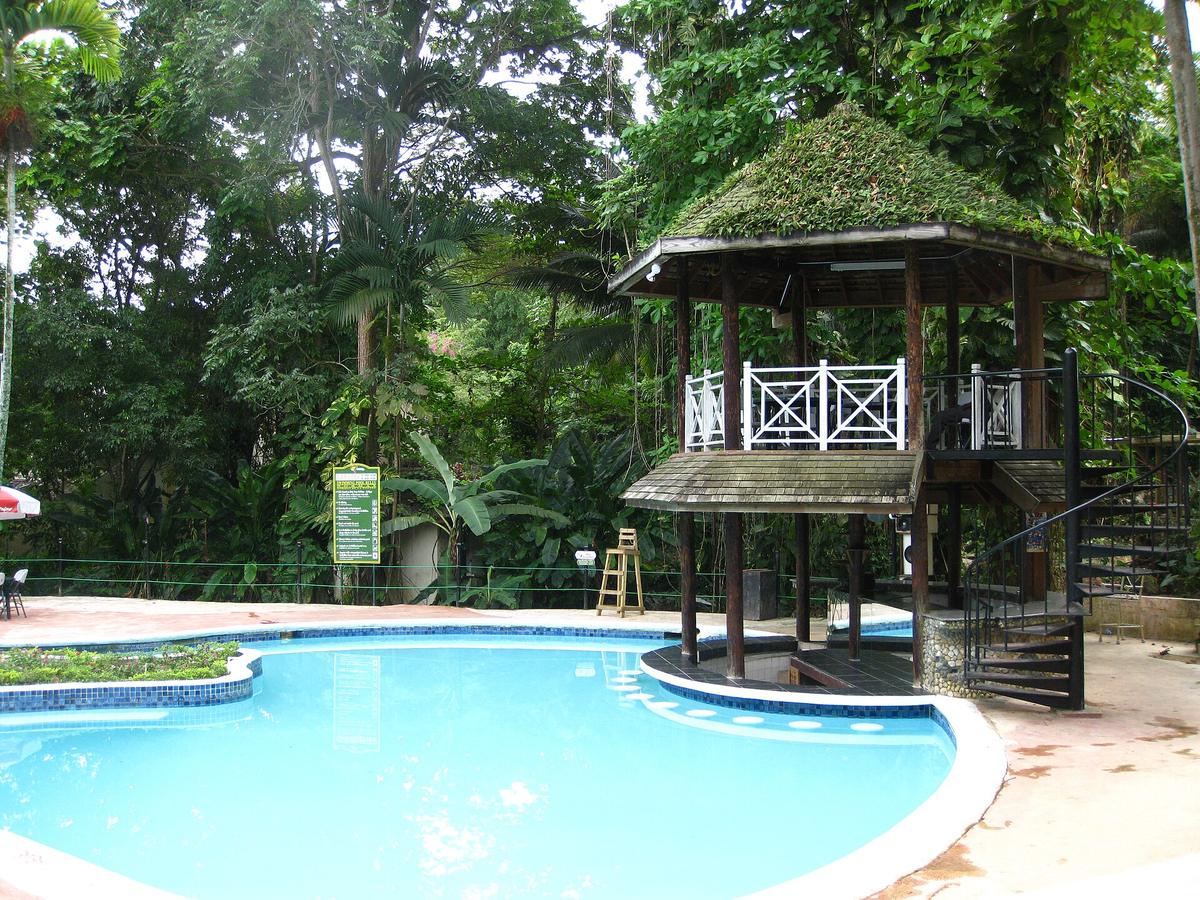
The pool area enforces a total ban on children in the water and on the deck at any time. No exceptions. Poolside service includes alcohol without age-verification friction because every guest is over the minimum age. Sun-lounger reservation behaviour shifts from dawn to mid-morning. Expect to find chairs available at 09:30, not 07:00. Noise drops measurably compared to family-equivalent resorts. No cannonballs, no splash shouting, no early-evening kids' disco audible from the main bar. The audio profile shifts from party band to acoustic sets, jazz or chill-out DJ formats with evening entertainment starting at 21:30 to 22:00 rather than 20:00 to 20:30.
Restaurants
Restaurant service changes in three specific ways. À la carte restaurants operate without high chairs or children's menus. Dinner service starts later, with the first sitting at 19:00 to 20:00 rather than 18:30. Meal duration runs 15 to 25 minutes longer than in equivalent family resorts because the pace is slower and tables are not turned for a second sitting. The buffet shifts its peak times. Breakfast peaks at 08:30 to 10:00 instead of 07:00 to 08:00. Dinner peaks at 20:00 to 21:30 instead of 18:30 to 19:30. There is no children's buffet station and no high-traffic pram corridors between tables.
What Stays The Same
What does not change matters more than what does. The property's scale is often identical to a family sister resort. The wristband system for all-inclusive identification works the same way. You still queue at buffet live-cooking stations at peak times. À la carte restaurant booking still happens through an app, concierge or kiosk. Public beach access, where the beach is legally public, stays open to everyone. Check-in and check-out times and the towel-card system remain identical. The adults-only upgrade buys you quiet and older guests. It does not buy you a different operational model.
The Sister Resort Pattern That Cancels the Benefit
The largest single source of disappointment in the adults-only all-inclusive segment is the sister-resort pattern. One adults-only establishment shares a compound, beachfront and back-of-house with a family property. Beach access where the beach is not public is shared. The main buffet is shared. Speciality restaurants are shared. The spa, gym, theatre, lobby and car park are shared. The entertainment team and the evening-show venue are shared. The à la carte booking system and reservation pool are shared. What is not shared is the adults-only pool, the adults-only bar and the adults-only sun deck. That is it.
You book an adults-only property that operates as a wing or neighbour to a family resort. You arrive expecting a child-free bubble. You get a child-free pool and bar. Everywhere else runs as a single property. In school holidays, UK late July to early September, Germany late June to early September, Canada late June to early September, the shared buffet and evening-entertainment venue fill with families. Noise bleeds from the family pool to the adults-only pool when they are adjacent. Shared-beach density spikes. The adults-only label commands a premium of 15 to 35 percent in the Canary Islands and 20 to 40 percent in Mexico on a like-for-like room category and board basis. That premium does not buy isolation from children at the buffet queue or on the beach towels next to yours. It buys a quiet pool deck and a separate bar. Check whether the place is a standalone adults-only resort or a designated adults-only wing within a larger compound before you commit. That distinction is rarely highlighted in the resort name.
Premium Tiers And What They Actually Buy
Within the adults-only all-inclusive category an upper tier exists under names like Club Level, Privilege Class or Grand Collection. It buys room location: swim-up, oceanfront, top floor. It buys a dedicated restaurant for upper-tier guests only. It buys named-brand spirits instead of house brands. It buys a dedicated pool or pool area. It buys butler service and 24-hour room service versus limited hours or none. It buys a private check-in lounge, an upgraded minibar restocked daily and a reserved beach or pool cabana area.
What upper tiers do not buy is an exemption from the à la carte booking system. You still queue in the app. They do not buy guaranteed quiet. Your room could face the service road or the lift lobby and nothing in the upper-tier booking protects you from that. They do not buy adults-only status because that is already property-wide. The upper tier buys physical real estate and drink quality, not silence.
Group Business That Shifts The Dynamic
Adults-only all-inclusive resorts take wedding parties and corporate incentive groups. A single wedding party of 30 to 80 guests can occupy 15 to 40 percent of room stock. Those groups arrive Thursday to Sunday and shift the pool and bar dynamic toward private events. Pool and bar areas can be partially closed for private events without notice at booking. Corporate incentive groups of 50 to 150 rooms can shift the entire property dynamic midweek. Standard OTA booking pages do not disclose group bookings. If quiet is the reason you are paying the adults-only premium, book a property that publishes a no-groups or no-weddings policy, or accept that your pool deck could be commandeered for a corporate team-building afternoon.
When All-Inclusive Works Against A Quiet Seeker
The all-inclusive model itself works against the kind of quiet some adults-only guests want. The buffet environment remains high-throughput regardless of guest age. The entertainment schedule structures the evening around a central bar or theatre. The pool area remains a social hub with programmed activities. Room-stock density in large resorts exceeds 400 rooms. Public-beach concessions operate regardless of hotel policy. If what you want is silence, an adults-only all-inclusive resort is the wrong product. You want a boutique hotel on a bed-and-breakfast rate on a quiet coast, not a drinks-included property with a foam-party schedule.

| Destination | Premium Range | Dominant Minimum Age |
|---|---|---|
| Mexico | 20–40% | 18 |
| Dominican Republic | 15–30% | 18 |
| Turkey | 10–25% | 16–18 |
| Canary Islands | 15–35% | 16–18 |
| Maldives | 30–60% | 18 |
| European Boutique Hotel | 10–20% | 16–18 |
Which Traveller the Pairing Suits and Which it Does Not
The all-inclusive adults-only combination suits couples seeking a tranquil break without a splash-pool soundtrack. It suits honeymooners wanting guaranteed peace and solo travellers who find family resorts alienating. It suits sun-seekers who prioritise poolside calm over local culture and naturists, who have a distinct parallel infrastructure in destinations like Gran Canaria and Fuerteventura. It suits anyone who values not queuing for a sun lounger and not hearing a child cry at the dinner buffet.
It does not suit families. It does not suit travellers wanting authentic, locally immersive stays because the adults-only stock is heavily skewed to insulated resorts with limited connection to the surrounding region. It does not suit budget backpackers because the category commands a premium of 15 to 60 percent over family equivalents. It does not suit anyone who finds a curated, couples-centric atmosphere claustrophobic. The single thing that most often goes wrong is the gap between the adults-only label and the actual experience on the shared beach or at the shared buffet when the family wing next door is at capacity. Verify the property is a standalone adults-only resort before you pay the premium.
Common Questions
What is the minimum age at adults-only all-inclusive resorts in Mexico?
The dominant minimum age across the Mexico adults-only all-inclusive segment is 18. The binding number is the one in force at the time of booking in the operator's conditions.
Can an adults-only resort admit 16-year-olds?
Yes, if the property is in a market where 16 is the declared minimum. The dominant minimum age in the Canary Islands, Turkey and the European boutique-hotel segment is 16 to 18. In Spanish boutique urban hotels it can drop to 14. Check the booking terms, not the resort name.
Do adults-only resorts have different check-in times?
No. Check-in and check-out times are identical to family-equivalent resorts. The adults-only label changes age rules, not operating hours.
What is the difference between adults-only and couples-only?
Adults-only permits groups of friends, solo travellers and multi-generational adult families. Couples-only excludes friend groups and solo travellers. Naturist properties are a third category defined by clothing-optional policy, not age.
Does the adults-only label apply year-round?
In Mexico, the Dominican Republic, Turkey, Egypt, the Canary Islands and the Maldives it applies year-round. In European boutique hotels and some agriturismo properties that convert to family operation in July and August the label may switch. Check the booking terms for seasonal exceptions.
How much more does an adults-only all-inclusive cost than the family equivalent?
The premium ranges from 10 to 60 percent depending on destination. Mexico commands 20 to 40 percent. Dominican Republic 15 to 30 percent. Turkey 10 to 25 percent. The Canary Islands 15 to 35 percent. The Maldives 30 to 60 percent, which also reflects the island-exclusivity premium. European boutique hotels command 10 to 20 percent on a bed-and-breakfast rate versus a comparable family-accepting hotel.
What goes wrong most often with adults-only all-inclusive resorts?
The sister-resort pattern. You book an adults-only property but it shares a buffet, beach and evening-entertainment venue with an adjacent family resort. The child-free bubble exists only at the adults-only pool and bar. The shared areas fill with families during school holidays. Check whether the property is a standalone adults-only resort or a designated wing within a family compound before you pay the adults-only premium.
Read next
-
 Turkey's Adults-Only Resort Labels and What They Actually Guarantee
Turkey's adults-only resort labels carry no legal weight. Learn how to read the real policy behind the marketing copy before booking in Bodrum or Antalya.
Turkey's Adults-Only Resort Labels and What They Actually Guarantee
Turkey's adults-only resort labels carry no legal weight. Learn how to read the real policy behind the marketing copy before booking in Bodrum or Antalya.
-
 What Adults-Only Actually Means Four Labels That Are Not the Same Thing
Adults-only is not one thing. It means a minimum age, a party rule, a clothing rule, or a marketing promise of quiet. Here is how to tell which one applies before you book.
What Adults-Only Actually Means Four Labels That Are Not the Same Thing
Adults-only is not one thing. It means a minimum age, a party rule, a clothing rule, or a marketing promise of quiet. Here is how to tell which one applies before you book.
-
 Travelling Without Your Children: What Adults-Only Means for Parents
Adults-only is for parents who want a quiet break without any children on site, including their own. Here is how the policy works and why it delivers exactly that.
Travelling Without Your Children: What Adults-Only Means for Parents
Adults-only is for parents who want a quiet break without any children on site, including their own. Here is how the policy works and why it delivers exactly that.
- Why a Quiet Hotel Is Not the Same as an Adults-Only Hotel A quiet hotel promises atmosphere, not a child-free stay. The difference between marketing and policy is one of the most common booking mistakes. Here is how to tell them apart.