Adults-Only Resort Policies in the Dominican Republic
How adults-only resort policies compare between Punta Cana and the north coast, what shared beach access means, and how to check the fine print before booking.

Adults-Only Resort Policies in the Dominican Republic
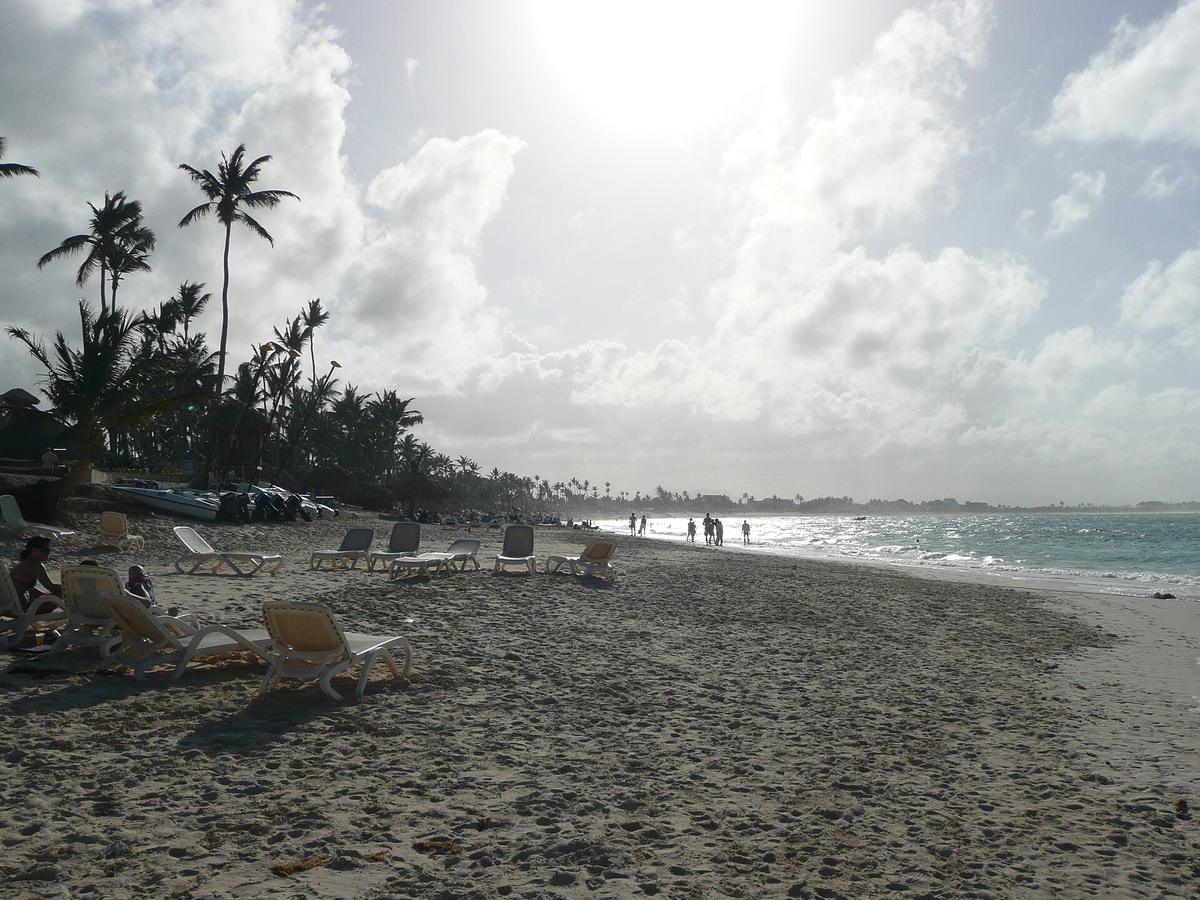
At 9am on a Punta Cana beach, a swim-up bar opens for adults-only guests. Two hundred metres down the sand, a family resort's kids' club starts its splash-pad programme. You share the same stretch of public beach. That is the tension: how the Dominican Republic's adults-only resort age rules actually work, and where the child-free bubble holds or breaks.
More than 80% of the country's adults-only room inventory clusters in Punta Cana and Bávaro. The north coast around Puerto Plata, Sosúa and Cabarete holds older stock at a lower price band. La Romana and Bayahibe offer a thinner pocket. Samaná and Sámara offer little. Santo Domingo has limited boutique stock.
The dominant structure in Punta Cana is not a standalone adults-only hotel. It is an adults-only section or tower inside a multi-generational resort. Standalone addresses are a minority. That shared infrastructure changes everything about the experience.
Adults-only status in the Dominican Republic is a resort-level marketing policy, not a legal classification. The Tourism Ministry issues no specific adults-only licence. An operator self-declares. That means the fine print in the booking terms defines the rule, not the headline.
Adults-Only Age Minimums: the 18 Versus 21 Question
Finding the Real Age Rule
The most common minimum age across Dominican adults-only resorts is 18. A minority set the bar at 21. You cannot tell from the resort name or the photograph. Locate the operator's booking conditions, not the marketing page, to confirm the number. Spain's adults-only market shows a similar trap: the common minimum there is 16, not 18, and in urban boutiques it can drop to 14. The Dominican Republic is more consistent, but the 21-year boundary exists and it is invisible until you read the Terms and Conditions.
The failure case: a couple books a Punta Cana adults-only tower for a romantic weekend. They arrive with an 18-year-old plus one. The tower enforces a 21 minimum. The guest is redirected to the family side or loses the booking. Check the confirmation email for the exact age rule before you pay. Call the reservations line if the website is ambiguous. Do not rely on a travel agent's description.
The age rule applies year-round. There is no seasonal reset. Some Balearic adults-only hotels in Spain revert to family-friendly during August, but Dominican operators hold the policy steady across Christmas, Semana Santa, and summer break.
Shared Beach Access: the Public Beach Reality
The Beach Is Always Public
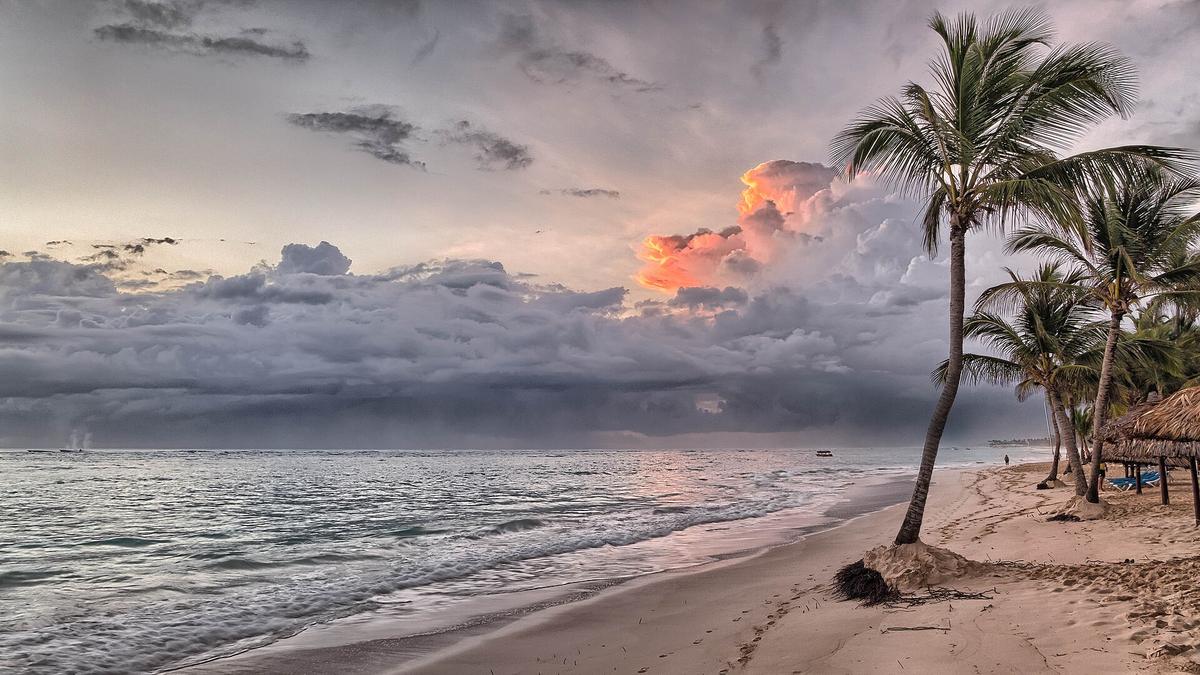
Dominican law makes every beach public. Article 15 of the Constitution and Ley 305-68 guarantee it. No resort can legally exclude minors from the sand in front of its adults-only section. Some designate an adults-only beach area with soft enforcement, meaning a staff member asks families to move. There is no legal mechanism to back that request. The moment you leave the pool gate, the child-free environment ends.
In Punta Cana, the beach shared between an adults-only tower and the family resort next door is common. At a north-coast spot in Puerto Plata, the same arrangement holds. The premium you pay for the adults-only label over the equivalent family all-inclusive runs in a band of 20% to 40%, depending on season, room category and booking window. That premium buys separated pools, separated dining and separated bars. It does not buy separated sand.
Ask before booking: is the beach area adults-only in practice or shared? An honest answer about shared access saves you disappointment. A dodged question is a risk.
Couples-Only Rules, Naturist Rules, and Quiet-Pool Marketing
Four Different Categories
Three subcategories exist inside the adults-only label, and they are not interchangeable.
Couples-Only. These ban solo travellers and often require a minimum two-guest booking. They are not the same as adults-only. A solo traveller who books a couples-only address expecting a singles-friendly atmosphere will be turned away at check-in.
Naturist. Also a distinct subcategory. Nudity is not permitted in standard adults-only resorts. Naturist operations exist in a separate, established infrastructure. Assume no and ask explicitly if clothing-optional access matters to you.
Quiet-Pool Marketing. This is the most common misdirection. A resort brands itself adults-only but what it actually offers is a designated quiet pool area within a family resort. The rest of the site permits children. The adults-only label applies to one zone only. The pre-booking question is direct: does adults-only status apply to all pools or only a designated quiet pool? If the answer is one pool, the rest of the resort is family accessible.
Dining Rules Clarify the Boundary
In a genuine adults-only section, à la carte restaurants lift the children's menu restriction. Premium brands appear at the bar. No kids' club operates on site. If the operator cannot guarantee exclusive dining and bar access for adults-only guests, the premium you paid buys incomplete separation.

| Region | Dominant Stock | Price Band | Typical Structure | Beach Access |
|---|---|---|---|---|
| Punta Cana / Bávaro | >80% of national adults-only rooms | Premium (20-40% above family equivalent) | Section or tower inside a multi-generational resort | Shared with family section; public beach law applies |
| North Coast (Puerto Plata / Sosúa / Cabarete) | Older stock | Lower | Smaller scale, standalone or small section | Shared; same law applies |
| La Romana / Bayahibe | Thin compared to Punta Cana | Mid to premium | Standalone and small sections | Shared; same law applies |
| Samaná / Sámara / Santo Domingo | Limited or thin | Varies | Mostly boutique hotels in Santo Domingo | Limited beach access in city areas |
The Single Thing That Most Often Goes Wrong
The most common mistake is assuming the adults-only label guarantees a fully child-free site. It does not. The label is a marketing term, not a legal classification. A resort admits children if its fine print says 16 or 14. Or it admits teenagers during school holiday periods. Or it operates a quiet-pool strategy where one adult pool exists inside a family resort. The failure case: you pay the premium, arrive, and find children at the next sun lounger on the public beach. The premium buys separated pools and dining. It does not buy separated sand. Check the booking conditions. Confirm the beach situation. That is the only way to know what you actually reserved.
Read next
-
 Turkey's Adults-Only Resort Labels and What They Actually Guarantee
Turkey's adults-only resort labels carry no legal weight. Learn how to read the real policy behind the marketing copy before booking in Bodrum or Antalya.
Turkey's Adults-Only Resort Labels and What They Actually Guarantee
Turkey's adults-only resort labels carry no legal weight. Learn how to read the real policy behind the marketing copy before booking in Bodrum or Antalya.
-
 What Adults-Only Actually Means Four Labels That Are Not the Same Thing
Adults-only is not one thing. It means a minimum age, a party rule, a clothing rule, or a marketing promise of quiet. Here is how to tell which one applies before you book.
What Adults-Only Actually Means Four Labels That Are Not the Same Thing
Adults-only is not one thing. It means a minimum age, a party rule, a clothing rule, or a marketing promise of quiet. Here is how to tell which one applies before you book.
-
 Travelling Without Your Children: What Adults-Only Means for Parents
Adults-only is for parents who want a quiet break without any children on site, including their own. Here is how the policy works and why it delivers exactly that.
Travelling Without Your Children: What Adults-Only Means for Parents
Adults-only is for parents who want a quiet break without any children on site, including their own. Here is how the policy works and why it delivers exactly that.
- Why a Quiet Hotel Is Not the Same as an Adults-Only Hotel A quiet hotel promises atmosphere, not a child-free stay. The difference between marketing and policy is one of the most common booking mistakes. Here is how to tell them apart.