Quiet Pool Hotels How to Spot the Difference Before Booking
A practical guide to Quiet Pool Hotels How to Spot the Difference Before Booking.
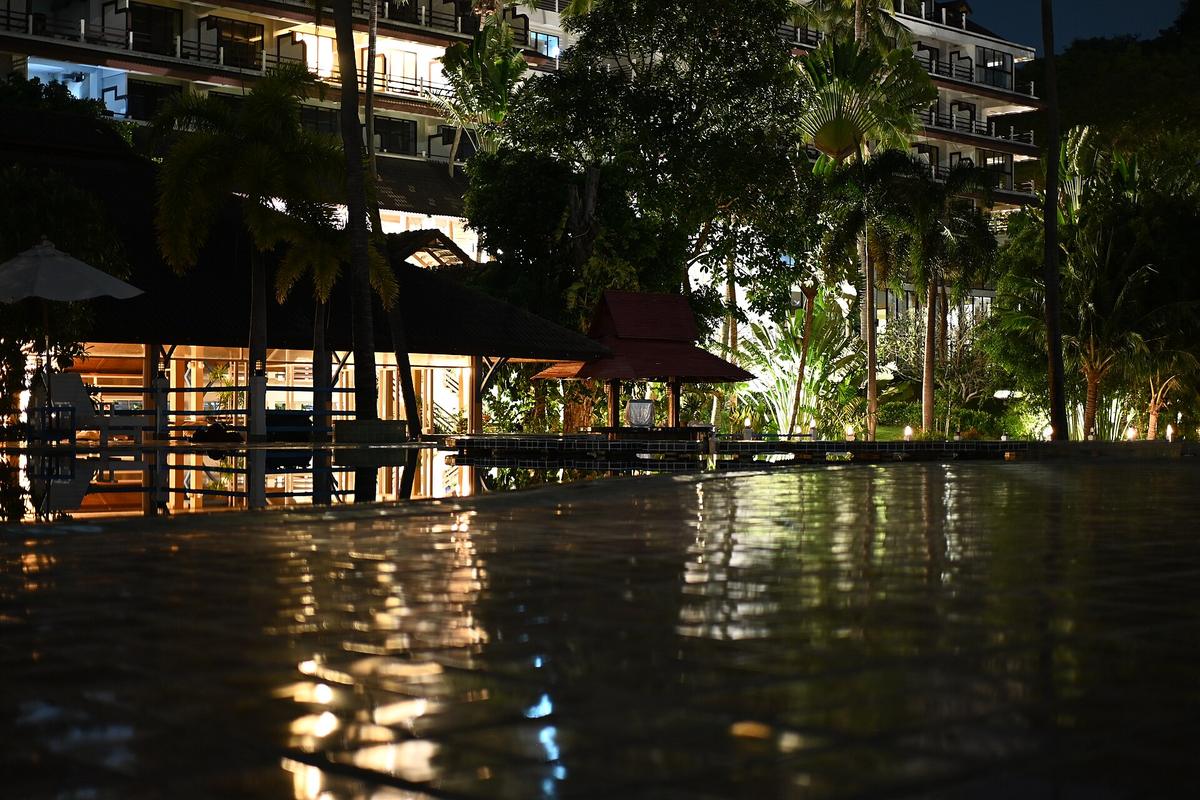

What a quiet pool actually is
A quiet pool is not simply a pool where nobody happens to be shouting. It is a designated zone within a resort or hotel where the atmosphere is deliberately kept subdued. Sandals Resorts defines these areas as adults-only or silent zones where music, pool games, and loud conversations are prohibited, and children are either restricted or entirely excluded. The concept has grown beyond a single brand. Hyatt's Inclusive Collection, through its Secrets Resorts & Spas, explicitly markets quiet pool areas separate from main activity pools, with signage enforcing no music, no cannonball diving, and whisper-level conversation expectations.
What makes the term tricky is that it is not a regulated industry standard. The American Hotel & Lodging Association confirms that each hotel or resort chain defines its own rules. A quiet pool at one property may permit children during certain hours while another enforces a strict 18-plus policy. The label alone tells you very little. You need to know what the specific property means by it before you book.
The vocabulary of silence
Hotels use a surprising range of terms to describe these spaces, and the word choice can hint at how strictly the rules are applied. Hilton's adults-only concepts, for example, designate specific pool zones as serenity pools or tranquility pools. These areas ban Bluetooth speakers, floatation devices, and pool volleyball. Iberostar goes further at its adults-only properties in the Caribbean and Mexico, labelling their quiet zones as silent pools and enforcing rules that include no mobile phone calls within the pool area and no amplified sound of any kind.
Marriott International advises travellers to check a property's official Amenities or Pools page for terms such as quiet pool, serenity pool, silent pool, or relaxation pool. If a hotel uses softer language like relaxation area, it may suggest a less formal enforcement culture than a property that posts a downloadable pool rules PDF with specific prohibitions. Neither approach is inherently better, but matching the terminology to your expectations reduces the chance of arriving to find a silent pool that tolerates speakerphone calls or a relaxation pool policed more strictly than you would prefer.
How to verify before you book
Relying on the booking platform description alone is risky because the term quiet pool carries no universal definition. A practical verification routine draws on several sources. Start with the hotel's own website. Look at the Amenities or Pools page for the exact phrasing used and, where available, open any posted pool rules document. Marriott International specifically points travellers toward these official amenity guides as the place where pool designations are listed.
Next, consult recent guest reviews. TripAdvisor's review guidelines acknowledge that traveller feedback frequently distinguishes between hotels that genuinely enforce quiet-pool rules and those that advertise a quiet pool but do not staff or monitor it. Reviews from the past two or three months are more useful than older ones because enforcement culture can shift with management changes. Look for specific mentions of whether rules were upheld, whether staff intervened when someone played music, and whether children were present if an adults-only policy was advertised.
Finally, contact the property directly. Quiet-pool rules, permitted ages, enforcement hours, and seasonal availability vary by property and may change. A short email or call to the reservations desk asking for the current quiet-pool policy gives you a written or verbal record to reference if the reality on arrival differs from what was promised. Some adults-only resorts also convert quiet pools to event spaces for weddings or private functions on certain dates. Checking the resort's official events calendar or asking the front desk about blackout dates prevents discovering on arrival that the quiet pool is closed for a private function during your stay.
The cruise ship equivalent
The quiet-pool concept is not confined to land-based resorts. Virgin Voyages applies the same principle at sea by designating perch areas on its ships where conversation is permitted only in low tones and no music or entertainment programming is scheduled. These adults-only sun decks function as the maritime equivalent of a silent pool, offering a retreat from the programmed energy found elsewhere on the ship.
If you are considering a cruise and value quiet outdoor space, look for similar terminology in the ship features section of the cruise line's website. The same verification principles apply. Check the official deck plans and amenity descriptions, read recent passenger reviews that mention the quiet zones by name, and confirm current policies with the cruise line before booking. Ship refits and itinerary changes can alter which spaces are designated as quiet areas.
Choosing between a quiet pool and an adults-only resort
Booking an adults-only resort does not automatically guarantee a quiet pool experience. Many adults-only properties, including those in the Secrets Resorts & Spas portfolio, maintain both activity pools with music and entertainment and separate quiet pools with stricter rules. The distinction is deliberate. Some travellers want an adults-only atmosphere with a lively social scene, while others want silence. A resort that offers both is catering to both preferences under one roof.
If silence is your priority, an adults-only resort with a clearly designated quiet or silent pool may serve you better than a family-friendly property that sets aside limited quiet hours at one pool. The enforcement culture at an adults-only property is built around the expectation that guests have chosen the environment deliberately, which can make rule adherence more consistent. That said, the tradeoff is that adults-only resorts typically command higher rates, and the quiet pool may still sit within earshot of a neighbouring activity pool depending on the resort's layout. Checking the property map before booking helps you assess how isolated the quiet pool actually is.
What to do when the quiet pool is not quiet
Even with thorough research, you may arrive to find the quiet pool falling short of its description. The practical response depends on whether the issue is a one-off incident or a pattern of non-enforcement. If a guest is playing music or making loud calls in a zone where Iberostar's silent-pool rules or Hilton's serenity-pool prohibitions would forbid it, a quiet word with pool staff is the appropriate first step. Staff at properties that take quiet designations seriously will typically address the issue without requiring you to confront the other guest directly.
If staff do not intervene and the disruption continues, documenting the gap between the advertised policy and the reality is useful. Note the time, the nature of the disturbance, and any staff response. This record supports a conversation with the front desk or guest services about moving to a different room or accessing an alternative quiet area. Properties that market quiet pools as a premium amenity have a commercial incentive to maintain the standard, but that incentive only works if guests report when standards slip.
Sources and verification
- sandals.com — Research source checked for this guide
- hyattinclusivecollection.com — Research source checked for this guide
- hilton.com — Research source checked for this guide
- iberostar.com — Research source checked for this guide
- virginvoyages.com — Research source checked for this guide
Common Questions
Are quiet pools always adults-only?
No. The American Hotel & Lodging Association notes that the term is not a regulated industry standard. Some quiet pools permit children during certain hours, while others enforce a strict 18-plus policy. Check the specific property's rules before booking.
Can I take a phone call at a quiet pool?
At some properties, no. Iberostar's silent pools, for example, prohibit mobile phone calls within the pool area entirely. Other hotels may permit quiet calls away from the water. The posted pool rules at each property will clarify the specific restriction.
How do I know if a quiet pool is actually enforced?
Recent TripAdvisor reviews are a practical tool. Travellers frequently report whether a hotel genuinely monitors its quiet-pool rules or advertises a quiet pool without staffing it. Look for reviews from the past few months that mention enforcement specifically.
Read next
-
 Adults Only Resorts for Couples Who Do Not Want Organized Romance
A practical guide to Adults Only Resorts for Couples Who Do Not Want Organized Romance.
-
 Mallorca or Cyprus for an Adults Only Beach Week
A practical guide to Mallorca or Cyprus for an Adults Only Beach Week.
-
 Adults Only Hotel Labels How to Check the Minimum Age
A practical guide to Adults Only Hotel Labels How to Check the Minimum Age.
-
 Turkey's Adults-Only Resort Labels and What They Actually Guarantee
Turkey's adults-only resort labels carry no legal weight. Learn how to read the real policy behind the marketing copy before booking in Bodrum or Antalya.