A Traveller’s Guide to Adults-Only Stays Across Asia
Adults-only hotels in Asia cluster in Bali and Thailand, but the label is rarely a legal classification. Here is what the policy usually means and how to verify it before you pay.
.jpg)
Asia’s Adults Only Hotel Stock is a Two Country Story
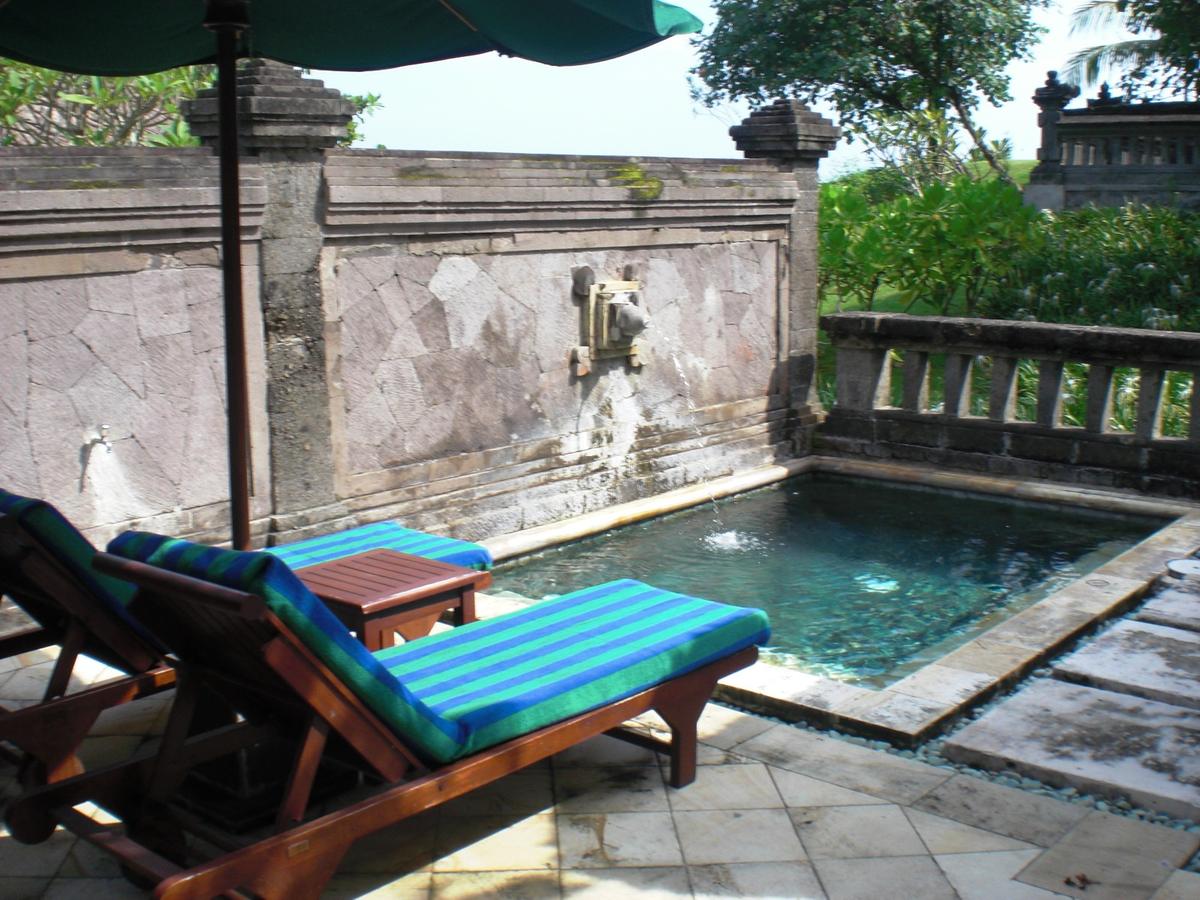
If you are searching for an adults-only hotel in Asia, age policy is the single thing you must verify before you pay. The label is a marketing term in most Asian jurisdictions, not a legally protected classification. That matters because the geographic concentration is extreme. Bali and Thailand hold the vast majority of properties that enforce a genuine child-free guarantee. Outside those two destinations the adults-only field is thin and often unverified. The Maldives, covered on its own page, has the largest adults-only room count in the region. After that the drop-off is steep. Sri Lanka offers boutique hotels and villas that lean adults only. China, Vietnam, Malaysia and Indonesia beyond Bali barely have the category. What exists there is a handful of small villas and boutique buildings where the size of the property limits child presence, not a formal policy.
Confirming a hotel that calls itself adults only in Asia means checking three things: the age threshold, whether the rule applies to the whole property or just one pool, and whether the policy holds year-round or lapses during school holidays. The age band across Asia is 12 to 18, and it varies by country and by individual hotel. A Thai boutique resort may set the floor at 12 or 14. A Balinese private-pool villa complex sets it at 16 or 18. The figure is often available on request rather than published on the reservation page. Do not trust the rate display. Go to the operator’s booking conditions, not the platform, to find the binding terms.
The Four Labels You Will Encounter and What Each Actually Means
Asian hotels use four distinct labels interchangeably in marketing. Separate them before you pay.
Adults Only Versus Couples Only
Adults only means no children are permitted at any time, subject to the property’s age threshold. Couples only means the hotel restricts reservations to two adults travelling together. Solo travellers book a hotel marketed to couples at their own risk.
Naturist and Quiet Branding
Naturist means clothing-optional spaces are part of the hotel, which is a separate legal and cultural category in Asia and not covered by the adults-only label. Quiet or serenity branding means the hotel positions itself as a calm environment but has no formal child ban. This last label is the trap. In Bali and Thailand many hotels market themselves as a quiet retreat and let children stay. You are paying a premium for an atmosphere the hotel can legally break at check-in.
| Destination | Typical Minimum Age | Exceptions And Notes |
|---|---|---|
| Bali (Seminyak, Ubud, Bukit Peninsula) | 16 to 18 | Private pool villas enforce 18; smaller hotels may accept 16 or 14 on a case-by-case basis. |
| Thailand (Koh Samui, Phuket, Krabi, Koh Lanta) | 12 to 16 | Boutique resorts set the bar at 12; higher-end hotels set it at 16. Confirm each one. |
| Sri Lanka | 12 to 16 | Boutique hotels and villas. Policy is rarely published; you must email the hotel. |
| China, Vietnam, Malaysia, Indonesia beyond Bali | No formal category | Small villas and boutique buildings rely on size limits. Call and ask directly. |
| Maldives | 15 to 18 | Covered on its dedicated page. The largest adults-only room count in Asia. |
How to Verify the Policy Before You Pay
Three steps take under ten minutes.
Check the Hotel’s Own Website
Open the hotel’s own site. Find the terms and conditions or the FAQ page. Look for the phrase “minimum age.” If it is not there, you have not found the policy.
Email the Property Directly
Use the hotel’s direct reservation address, not a platform’s message system. Ask two questions: what is the age threshold, and does the policy cover every room and every common area including the pool and the restaurant.
Check the Cancellation Window
A hotel that enforces a strict adults-only policy will not waive it when a family books. If the hotel says it can make exceptions during school holidays, book elsewhere.
The failure case is reserving a hotel that markets itself as adults only but admits 14-year-olds during the August school holiday. That happens most often in Thai boutique resorts that set their threshold at 12 and do not change it for seasonal demand. If you arrive and find teenagers at the pool you have no recourse. The hotel followed its published terms. The only hedge is to book a hotel with a threshold of 18 and a clause that says the policy applies year-round with no exceptions.
Seasonal Exceptions That Break the Guarantee
Some adults-only hotels in Asia revert to a family-friendly policy during peak school-holiday windows. This is most common in Sri Lanka and on the Thai islands of Koh Samui and Koh Lanta. The hotel does not advertise the change. It buries the exception in the conditions as a “no guarantee” on child-free status during dates it deems high-demand. The summer window runs roughly June through August for European-sourced hotels. The Chinese and Australian school-holiday periods differ. A hotel that accepts children for four weeks a year is not an adults-only property. It is a family hotel that markets itself as adults only for 48 weeks and cashes in on overflow demand for the other four.
If you are travelling in those windows, email ahead and ask specifically: is your adults-only policy in effect on the dates of my stay. Get a written reply. A verbal assurance at check-in is worthless. Front-desk staff change shifts. If the hotel refuses to answer in writing, treat it as a no and look elsewhere.

What You Are Actually Paying for
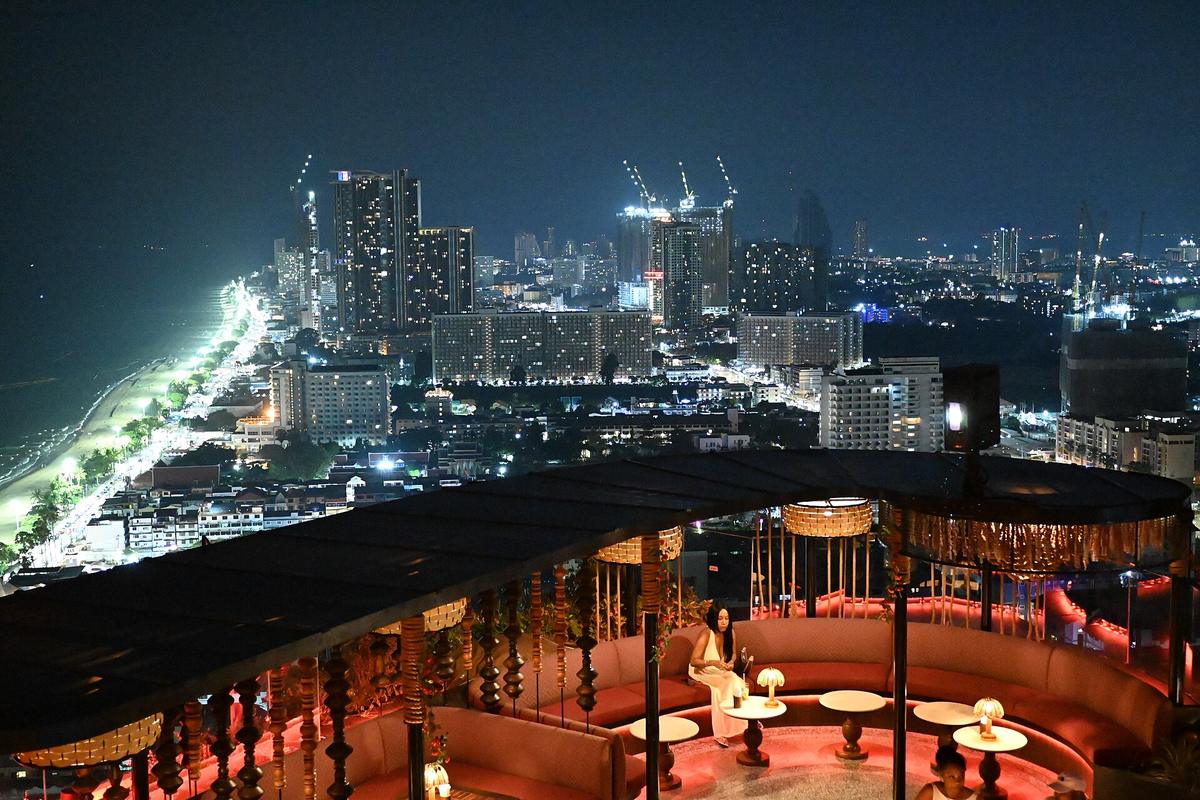
The premium for adults only over a comparable family hotel in Bali runs 30 to 50 percent for a private pool villa in Seminyak or the Bukit Peninsula. In Thailand the premium is narrower, roughly 20 to 30 percent for a boutique resort in Phuket or Krabi. You are paying for the guarantee of no children in shared spaces. That guarantee is the entire product. If the policy is weak, the premium is wasted.
Budget backpackers should skip the category entirely. The premium does not buy you better food, a more convenient location or more authentic local immersion. It buys you poolside quiet. If that is worth 30 percent more than a family-friendly villa three streets away, the category makes sense. If not, seek a small villa where the physical size limits occupancy to adults by default and save the premium for a better room grade.
When the Policy Fails and What to Do
You arrive at a boutique resort in Krabi at 2pm. The pool has five children. At reception the clerk points to a line in the conditions: minimum age 12. The children are all 13 or older. You have no recourse. The hotel followed its published terms and your assumption that adults only meant 18 was your error. That scenario happens every peak season in Thailand.
The fix is straightforward. Book only hotels that use a threshold of 18 and include a clause that the policy holds year-round with no seasonal exceptions. If the terms use language like “normally,” “generally” or “except during high-demand periods,” keep searching. The single thing that most often goes wrong is reserving a hotel based on the marketing label instead of the fine print. The label means nothing. The age threshold in the conditions means everything.
Frequently Asked Questions
What is the minimum age for adults-only hotels in Asia?
It ranges from 12 to 18. Thai boutique resorts often set the threshold at 12 or 14. Balinese private-pool villas set it at 16 or 18. The figure is rarely published on booking platforms and must be verified in the hotel’s terms and conditions.
Can a hotel in Asia call itself adults only but accept teenagers?
Yes. Adults only is a marketing term, not a regulated classification, in most Asian countries. A hotel that sets its threshold at 14 meets its own definition of adults only even if you expected 18. Always check the exact figure before you book.
Does adults only in Asia mean the same thing as couples only?
No. Adults only bans children. Couples only restricts reservations to two adults travelling together. A solo traveller can book an adults-only hotel. A solo traveller may be rejected at a couples-only hotel. Read the occupancy rules, not just the marketing label.
Do adults-only hotels in Asia stay child-free year-round?
Not always. Some hotels in Thailand and Sri Lanka relax their policy during school-holiday periods, often June through August. The exception is buried in the conditions. Ask in writing if the policy applies on your exact dates before you pay.
Read next
-
 Turkey's Adults-Only Resort Labels and What They Actually Guarantee
Turkey's adults-only resort labels carry no legal weight. Learn how to read the real policy behind the marketing copy before booking in Bodrum or Antalya.
Turkey's Adults-Only Resort Labels and What They Actually Guarantee
Turkey's adults-only resort labels carry no legal weight. Learn how to read the real policy behind the marketing copy before booking in Bodrum or Antalya.
-
 What Adults-Only Actually Means Four Labels That Are Not the Same Thing
Adults-only is not one thing. It means a minimum age, a party rule, a clothing rule, or a marketing promise of quiet. Here is how to tell which one applies before you book.
What Adults-Only Actually Means Four Labels That Are Not the Same Thing
Adults-only is not one thing. It means a minimum age, a party rule, a clothing rule, or a marketing promise of quiet. Here is how to tell which one applies before you book.
-
 Travelling Without Your Children: What Adults-Only Means for Parents
Adults-only is for parents who want a quiet break without any children on site, including their own. Here is how the policy works and why it delivers exactly that.
Travelling Without Your Children: What Adults-Only Means for Parents
Adults-only is for parents who want a quiet break without any children on site, including their own. Here is how the policy works and why it delivers exactly that.
- Why a Quiet Hotel Is Not the Same as an Adults-Only Hotel A quiet hotel promises atmosphere, not a child-free stay. The difference between marketing and policy is one of the most common booking mistakes. Here is how to tell them apart.