Adults-Only Resort Estates Across the Caribbean and the Americas
The Caribbean and Mexico lead the world in adults-only resort stock, but policies vary by destination. Here is what the label means and how to verify it before paying.
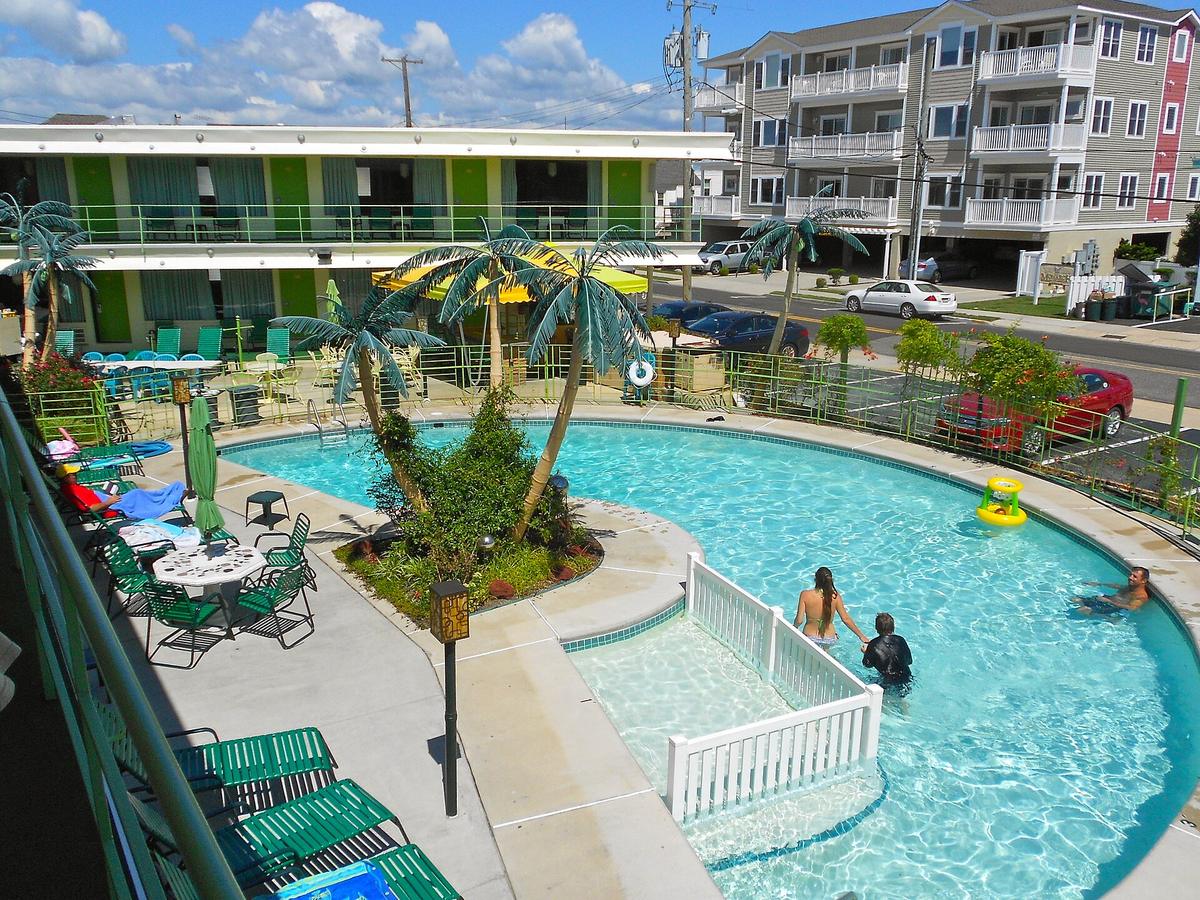

The Caribbean Adults-Only Label is a Resort Policy, Not a Government Classification
The Riviera Maya and Cancun corridor in Mexico holds the world's largest concentration of adults-only hotel rooms. The Dominican Republic ranks second. But the term works differently here than in Europe. An adults-only label in the Caribbean is a resort-level policy, not a tourism board classification or a legally protected designation. No regional government audits or enforces it. The property itself decides the minimum age, the definition of adult, and whether the label applies to the entire compound or just a wing. That is the single most useful fact on this page because it explains why the same label can mean three different things depending on which resort you book.
You must check two things before you book. First, the exact minimum age written into the hotel operator's current booking terms. Second, whether the property is a purpose-built adults-only estate where every room, pool, restaurant, and beach area is restricted by age, or a split resort that shares facilities with an adjacent family property. The difference between those two structures determines whether the adults-only label is a structural guarantee or a marketing term.
How the Age Policy Varies by Destination and Property Type
The regional norm across the Caribbean, Mexico, Central America, and South America is a minimum age of 18. That is the standard in Cuba, Barbados, Antigua, Saint Lucia, Aruba, the Bahamas, Turks and Caicos, Grenada, Saint Kitts, Sint Maarten, Bermuda, Trinidad and Tobago, Costa Rica, and Brazil. But the norm changes in the United States, where properties with a casino or bar-forward operation enforce a minimum of 21. A small number of Caribbean luxury resorts also apply 21 as the floor. Specific Sandals and Secrets properties use that rule. A very small cluster of boutique Caribbean hotels sets the minimum at 25. You cannot assume 18. You must read that property's terms.
Why Mexico Sits Outside The Regional Norm
Mexico is the exception to the 18 norm. A number of adults-only resorts on the Riviera Maya and in Cancun set the minimum at 16. That catches couples who arrive expecting a child-free atmosphere and find teenagers in the pool and dining rooms. This is not a hidden clause. It is written into the booking conditions. But travellers rarely read them. The same pattern appears at some boutique urban hotels in Mexico City and coastal towns, where the minimum drops to 14. If you want a strict 18-plus property in Mexico, filter your search on that specific number and confirm it with the hotel before you pay.
Jamaica's Couples-Only Confusion
Jamaica has a distinct tradition that predates the current adults-only category. The island has marketed couples-only resorts since the 1970s. A couples-only definition requires two adults per room sharing a romantic relationship. It is not a minimum age rule. Two 50-year-old friends sharing a room can be rejected at check-in if the hotel enforces the couples-only definition strictly. The problem is that online travel agencies and traveller forums routinely conflate couples-only with adults-only. The island has a concentration of dedicated adults-only and couples-only resorts in Negril, Ocho Rios, and Montego Bay. If you are a solo traveller or a pair of friends, you must confirm the property accepts your booking configuration before you arrive.
Why The All-Inclusive Model Structure Matters
There are three distinct all-inclusive model structures in the Caribbean and Latin America. The first is a fully dedicated adults-only all-inclusive resort with no family zones anywhere on site. That is the structural guarantee. The second is a split resort with an adults-only section and a separate family section sharing back-of-house operations, kitchens, and management. The third is a single adults-only wing or floor within an otherwise family resort, sharing the main pools, dining rooms, and beach. The second and third structures mean the child-free bubble pops the moment you leave the adults-only zone. You share the beach with families. You share the buffet queue. You share the promenade. The resort's marketing materials will not lead with this detail. You must ask the operator directly which model the property uses.
What the Adults-Only Premium Buys and What it Does Not
The price premium for adults-only over an equivalent family resort in Mexico and the Dominican Republic runs between 15 percent and 40 percent for the same star rating and board basis. That premium pays for quieter pools, higher staff-to-guest ratios, premium food and beverage options, and a room rate that does not subsidise child rates. It does not pay for a private beach. In Mexico, the Dominican Republic, Cuba, Barbados, Costa Rica, Jamaica, Turks and Caicos, the Bahamas, Antigua, Saint Lucia, Grenada, and Trinidad and Tobago, all beaches are public below the high-water mark. No resort controls its shoreline. Local families, vendors, and non-guests walk the sand in front of even the most expensive adults-only resort. The child-free guarantee applies inside the hotel perimeter only. At the shoreline, you share the space.
When The Adults-Only Policy Relaxes
Some resorts in the region relax their adults-only policy during peak demand periods. This is most common during Atlantic hurricane season, which runs from June 1 to November 30 with the peak from mid-August to late October, when occupancy drops and hotels loosen restrictions to fill rooms. It is buried in the booking terms. You cannot rely on the resort's general policy description. You must check the specific dates of your stay. The same risk exists at properties that market themselves as adults-only but revert to family-friendly during July and August, a pattern documented in Caribbean resort chains that own both adults-only and family properties on the same site. If you are travelling during hurricane season or European summer holidays, confirm the policy applies to your exact dates in writing before you pay a deposit.
The Countries with Genuinely Sparse Adults-Only Stock
Most travellers assume the adults-only category is common across the entire Caribbean. It is not. The stock is heavily concentrated in Mexico, the Dominican Republic, and Jamaica. Outside those three destinations, the count drops sharply. Cuba has fewer than 10 dedicated adults-only hotels, all in Varadero and Cayo Coco. Barbados has a handful of properties on the west and south coasts. Antigua has a small cluster, mostly boutique. Saint Lucia has several in the Soufriere and Rodney Bay areas. Aruba has a couple on Eagle Beach and Palm Beach. The Bahamas has a few in Nassau and Exuma. Turks and Caicos has a couple on Providenciales. Grenada has a couple. Saint Kitts has one or two. Sint Maarten has one or two in the Maho and Simpson Bay areas. Bermuda has one confirmed property. Trinidad and Tobago has one in Tobago.
Central and South America are even thinner. Costa Rica has fewer than 10 dedicated adults-only properties, mostly boutique eco lodges. Brazil has fewer than five, concentrated in Bahia and Rio de Janeiro state. Canada has a marginal number of boutique inns and bed and breakfasts. The United States has a marginal number of adults-only resort-style properties, mostly concentrated in boutique hotels, some Las Vegas casino resorts, and clothing-optional properties. If your destination is not Mexico, the Dominican Republic, or Jamaica, your options are limited. Book far in advance, especially for the one or two properties on smaller islands, because they sell out during peak season.
The Naturist And Quiet-Concept Distinction
The adults-only category overlaps with two other labels that are not the same thing. Naturist or clothing-optional properties are a distinct stock found in Mexico's Riviera Maya, Jamaica's Negril, and Saint Martin and Sint Maarten. These properties enforce an age restriction but also require a specific attitude toward nudity. Quiet-concept properties market serenity and relaxation without any age restriction. They are not adults-only. You can book a quiet-concept resort and find families present. Do not substitute one label for the other. Confirm the age policy independently.
How to Check Whether You Are Booking a Guarantee or a Loophole
One step separates a successful adults-only booking from a disappointment. Open the resort operator's current booking terms. Do not rely on the hotel's marketing page, the OTA filter, or a travel agent's reassurance. Find the section that states the minimum age, the definition of adult, and the property's policy on shared facilities. If the terms say the minimum age is 16, accept that teenagers will be present. If the terms describe an adults-only section or wing, accept that the main resort is not child-free. If the terms say couples-only, accept that solo travellers and friend groups are not welcome. The age ranges given on this page are country-category norms, not guarantees for any specific property. The operator's terms, as they stand on the day you book, are the only document that binds.
If the property is located in a country with a public beach law and you want a genuinely isolated child-free experience, book a property with a fully dedicated adults-only estate and no shared access with family zones. Budget 15 to 40 percent more than a comparable family resort. Arrive knowing that the beach in front of your hotel belongs to the public. And confirm that your dates do not fall into a period when the resort relaxes its policy. That is the single thing that most often goes wrong. The traveller assumes the label is absolute. It is not. The terms are absolute. Read them.
Common Questions
What is the standard minimum age at adults-only resorts in the Caribbean?
The regional norm is 18 across most Caribbean, Central American, and South American destinations. Mexico is the exception, with a common minimum of 16. The United States enforces 21 at properties with bars or casinos. A small number of Caribbean luxury resorts set the minimum at 21 or 25. Always check the property's current booking terms.
How can I tell if an adults-only resort actually controls its entire property?
Ask the resort operator which of three structures applies: a fully dedicated adults-only estate, a split resort with shared back-of-house, or an adults-only wing within a family resort. Only the first structure guarantees no children on site. The second and third share dining, pools, and beach with families.
Does the adults-only label mean the beach is private?
No. In Mexico, Dominican Republic, Cuba, Barbados, Jamaica, Costa Rica, Turks and Caicos, Bahamas, Antigua, Saint Lucia, Grenada, and Trinidad and Tobago, all beaches are public below the high-water mark. Local families, vendors, and non-guests can be on the sand in front of your resort. The child-free guarantee stops at the pool gate.
What goes wrong most often with adults-only bookings in the Caribbean?
Assuming the minimum age is 18 everywhere, especially in Mexico. The second most common mistake is booking a split resort or adults-only wing within a family property, then being surprised by shared facilities. The third is booking a Jamaica couples-only resort as a solo traveller or group of friends and being rejected at check-in.
Read next
-
 Turkey's Adults-Only Resort Labels and What They Actually Guarantee
Turkey's adults-only resort labels carry no legal weight. Learn how to read the real policy behind the marketing copy before booking in Bodrum or Antalya.
Turkey's Adults-Only Resort Labels and What They Actually Guarantee
Turkey's adults-only resort labels carry no legal weight. Learn how to read the real policy behind the marketing copy before booking in Bodrum or Antalya.
-
 What Adults-Only Actually Means Four Labels That Are Not the Same Thing
Adults-only is not one thing. It means a minimum age, a party rule, a clothing rule, or a marketing promise of quiet. Here is how to tell which one applies before you book.
What Adults-Only Actually Means Four Labels That Are Not the Same Thing
Adults-only is not one thing. It means a minimum age, a party rule, a clothing rule, or a marketing promise of quiet. Here is how to tell which one applies before you book.
-
 Travelling Without Your Children: What Adults-Only Means for Parents
Adults-only is for parents who want a quiet break without any children on site, including their own. Here is how the policy works and why it delivers exactly that.
Travelling Without Your Children: What Adults-Only Means for Parents
Adults-only is for parents who want a quiet break without any children on site, including their own. Here is how the policy works and why it delivers exactly that.
- Why a Quiet Hotel Is Not the Same as an Adults-Only Hotel A quiet hotel promises atmosphere, not a child-free stay. The difference between marketing and policy is one of the most common booking mistakes. Here is how to tell them apart.